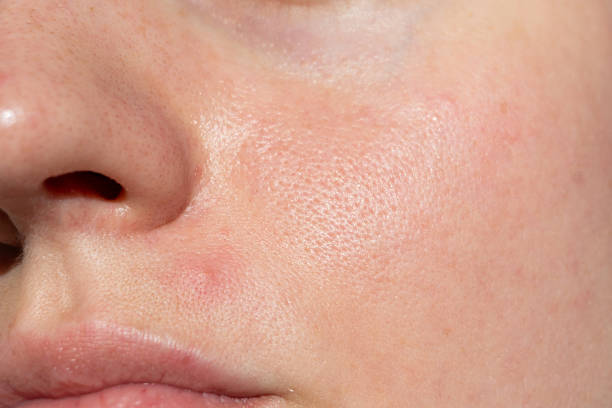
Not every dull complexion needs a strong reset. Some skin becomes brighter when it is pushed hard. Other skin becomes red, tight, patchy, or reactive when too much is done too soon. This is why a slower approach often works better for people with sensitive, dry, acne-prone, or uneven skin.
Many people think brighter skin comes from removing as much dead skin as possible. It sounds logical at first. If old surface cells make skin look tired, then stronger peeling should reveal fresher skin faster. In real life, skin is not that simple. The outer layer is not just something to strip away. It also protects the face from water loss, bacteria, pollution, and irritation.
When that layer is weakened, the skin may look worse before it looks better. Redness can last longer. Breakouts may become more active. Dark marks may deepen, especially in skin that is prone to pigmentation. A gentler plan may feel less dramatic, but it often gives the skin more room to recover.
Why Fast Exfoliation Can Backfire
The skin barrier acts like a quiet security system. When it is healthy, it keeps moisture in and irritants out. When it is damaged, even simple products can sting. Cleansers may feel harsh. Moisturisers may burn. Makeup may sit unevenly. The face may look shiny and dry at the same time.
This is why aggressive exfoliation is not always the answer. A strong peel may help some people, but it can overwhelm skin that is already stressed. The issue is not just the strength of the treatment. It is also the timing, the current condition of the skin, and what the person uses at home.
For example, someone using retinoids, acne products, or brightening serums may already be exfoliating without realising it. Adding another strong treatment on top can create irritation. In these cases, a biological peel may be considered as part of a slower plan, depending on the skin’s needs and professional advice.
A Slower Peel Does Not Mean a Weaker Result
Slow does not mean ineffective. It means controlled. Some skin types need gradual renewal instead of a sudden surface change. The goal is to encourage a fresher look while keeping the barrier calm.
This can be helpful for people who want to improve uneven tone, rough texture, blocked pores, or a tired-looking complexion. The treatment plan may involve lower intensity, more time between sessions, and simple aftercare. It may also involve pausing strong home actives for a short period.
A biological peel fits this type of thinking because the focus is often on supporting renewal rather than forcing a harsh reaction. The skin is still being treated, but the process feels more measured. For people who have had poor experiences with strong exfoliation, that difference matters.
Signs Your Skin May Prefer a Gentler Path
Some skin gives clear warnings. If the face often feels hot after products, turns red easily, flakes around the nose or mouth, or breaks out after trying new treatments, caution is wise. Skin with a history of pigmentation also needs care. Irritation can trigger more uneven tone, which is the opposite of what many brightening treatments aim to achieve.
A careful consultation can help identify whether the skin is ready for treatment or needs repair first. In some cases, the best first step is not peeling at all. It may be barrier support, hydration, sun protection, and a simpler routine. Once the skin is calmer, treatment may work better and feel more comfortable.
Home Care Still Matters
A clinic treatment cannot do everything if the daily routine works against it. Brightness depends on more than exfoliation. Sunscreen is especially important because UV exposure can darken marks and dull the skin again. Gentle cleansing also helps. So does using enough moisturiser, especially after any resurfacing treatment.
It is also sensible to avoid picking, scrubbing, or adding new active products too quickly. Skin needs time to respond. A biological peel may be part of the plan, but the days after treatment are just as important as the treatment itself.