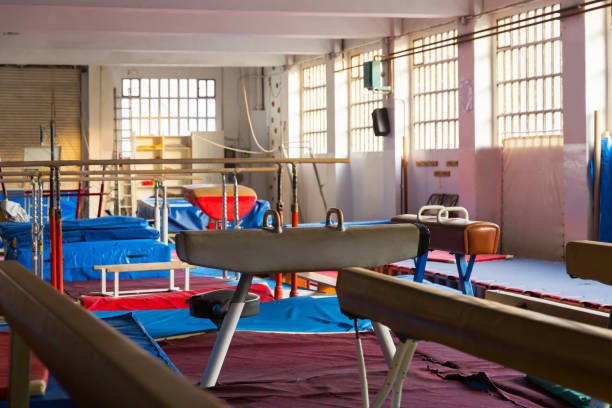
Buying gymnastics equipment can feel straightforward at first. There are beams, bars, mats, and floor systems, each with clear descriptions and specifications. The difficulty comes from knowing which details actually affect performance and safety, and which ones are less important in practice.
Many buyers focus on appearance or price early on. Those factors matter, but they do not determine how well the equipment will work once it is used regularly. A better approach is to look at how the equipment will be used, who will use it, and how often it will be used.
The first thing to consider is the level of the user. Equipment that works well for beginners is not always suitable for advanced training, and the reverse is also true. Beginners need setups that are more forgiving. Lower heights, softer landing surfaces, and adjustable components help them build confidence and repeat movements safely. More advanced users need equipment that behaves closer to competition standards. This includes correct dimensions, firmer response, and consistent performance.
Choosing the wrong level creates problems. Equipment that is too advanced can slow progress and increase hesitation. Equipment that is too basic can limit development once skills improve. Matching the equipment to the current stage of training is one of the most important decisions.
The second factor is safety, but not just in the obvious sense. It is not only about having enough padding. It is about how the equipment behaves under load. A mat that compresses too quickly or a bar that feels unstable can create risk even if it looks secure. Stability, grip, and controlled movement all contribute to safe use.
This is where build quality becomes important. Solid frames, reliable fixings, and consistent materials make a difference over time. Lower-quality setups may feel acceptable at first, but they tend to shift, loosen, or wear unevenly. That affects both performance and safety.
Space is another factor that is often underestimated. Gymnastics movements require clearance, not just for the equipment itself but for the surrounding area. A beam or bar placed too close to a wall or another structure limits movement and increases risk. Before buying, it is important to plan how the equipment will fit into the available space, including landing zones and movement paths.
This is especially relevant for home setups. Space is usually more limited, which leads to compromises. In these cases, it is better to choose fewer pieces of well-suited gymnastics equipment rather than trying to fit too many elements into a tight area.
Durability also plays a role, particularly in shared environments such as schools or training facilities. Equipment that is used frequently needs to handle repeated impact and movement without losing its shape or stability. Foam density in mats, tension in bars, and surface wear all affect how long the equipment will last.
For lighter use, such as at home, durability still matters, but there may be more flexibility in budget. The key is to ensure that the equipment can maintain its function over time, not just during initial use.
Surface feel is also worth considering. Grip and texture affect how movements are performed. A surface that is too slippery or too rough can interfere with technique. This applies to beams, bars, and mats. The goal is to find a balance that supports control without creating discomfort.
Cost is always part of the decision, but it should be viewed in context. Lower-cost options may be suitable for short-term or light use, but they can lead to additional spending if they need to be replaced quickly. Higher-quality equipment may cost more upfront but can provide more consistent performance over a longer period.
In the end, buying gymnastics equipment is less about finding the most advanced or most affordable option and more about finding the right fit. The equipment should match the level of the user, suit the available space, and provide stable, reliable performance.