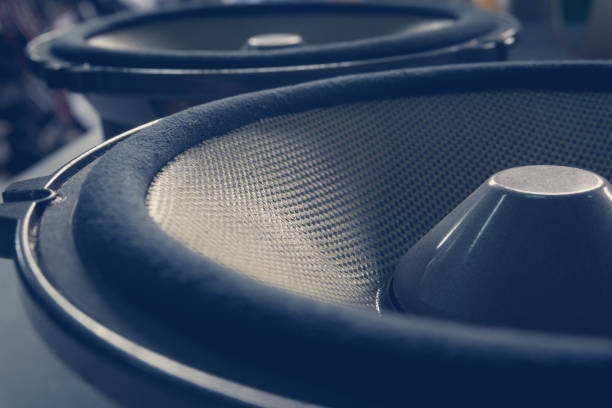
Across the United States, people build sound systems for all kinds of reasons concert tours, church services, school auditoriums, corporate events, and home studios. No matter the space, one rule stays the same: the entire setup succeeds or fails with the speakers. Mixers, processors, and microphones can all perform flawlessly, but if the loudspeakers cannot deliver the signal accurately, the audience hears every weakness. Designing a system that performs reliably across different environments begins with choosing the right foundation.
The first step for many audio professionals is figuring out how the system will be used. A small restaurant needs a subtle, even sound, while a live music venue demands power, clarity, and the ability to cut through crowd noise. A conference room prioritizes speech intelligibility. Matching the equipment to the job prevents problems later. Engineers look closely at power handling, coverage patterns, and frequency response to make sure the system fits the mission rather than forcing it into a role it was not designed for.
Budget naturally becomes part of the discussion. It can be tempting to pick the cheapest option, but experience shows that quality equipment pays off. Professional loudspeakers cost more upfront because they are built for intense conditions: touring schedules, daily installations, and venues that run events back-to-back. They stay consistent at high volumes, resist wear and tear, and hold their tone longer. For American venues that rely on repeat events from theaters to casinos long-term durability quickly offsets the initial investment.
A balanced system matters just as much as the speakers themselves. Amplifiers, processors, and loudspeakers must work together in harmony. When an amplifier delivers too much power, distortion and damage follow. Too little power leads to weak output and an uneven tone. Engineers often say that balance creates clarity, not loudness. Getting these relationships right protects gear and ensures the final mix sounds natural to the audience.
Placement shapes performance more than most people realize. Even the best professional loudspeakers struggle when aimed poorly or mounted at the wrong height. In a club, reflections from walls can muddy vocals. In a gymnasium, hard surfaces scatter sound unpredictably. Outdoors, open space absorbs energy quickly. Testing different angles, positions, and distances reveals how sound moves through the room. A few inches of adjustment can dramatically change clarity.
Signal quality also depends on cables and connections. Loose fittings, damaged cables, and cheap adapters introduce noise that no amount of mixing can hide. Professionals in the US pay careful attention to wiring, using reliable connectors and proper cable lengths to preserve the cleanest signal path possible. It’s a small detail but one that protects the final output from unnecessary interference.
Digital calibration tools have become a major advantage for American audio technicians. Modern software can analyze a room’s acoustic profile and automatically adjust equalization for more even sound. This helps reduce harshness, improve warmth, and make sure every seat receives similar quality. Features once reserved for major touring productions now appear in mid-sized venues, making precise tuning accessible for more users.
When the equipment, placement, calibration, and balance all work together, the result is more than accurate sound. It creates connection. Audiences hear clearly, performers trust their mix, and event organizers feel confident. That smooth, professional experience begins with choosing components built for real-world conditions.
Sound quality is not an accident it’s a series of deliberate decisions. With professional loudspeakers forming the system’s backbone, every other piece of equipment can perform at its highest level. They deliver reliability, tone, and consistency, shaping how every event feels.
A great system doesn’t have to chase perfection. It simply needs the right mix of planning, equipment, and care. And at the center of that process sits the choice that matters most: selecting loudspeakers that bring the entire setup to life.