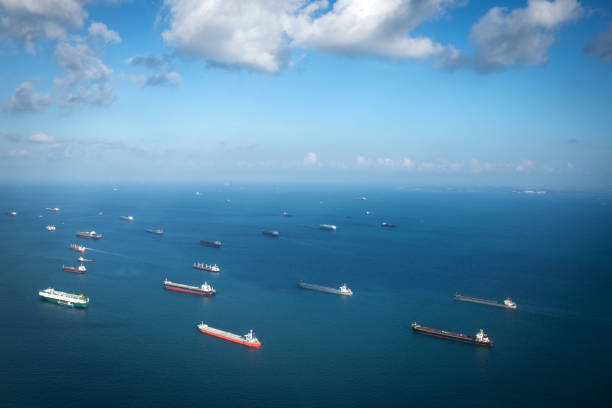
A vessel may look suitable on paper yet operate in conditions that change its exposure considerably. A short coastal journey, a regular harbour transfer and an extended offshore passage involve different demands. Before arranging marine insurance, an operator should describe where the vessel actually travels, rather than relying on a broad description of its home port. The practical question is not simply how far a vessel sails. It is what happens along the journey and how often those conditions occur.
Check the intended trading area
A useful review starts with the usual ports, coastal waters and offshore limits. Seasonal routes deserve attention because a vessel may remain local for most of the year but travel farther for a particular contract. The operator should identify planned journeys outside the ordinary area, including international passages, remote destinations and unfamiliar ports. A trading-area description should match the routes in the operating schedule. When a route changes, the insurer or broker may need to consider whether the existing policy terms still fit.
Explain what the vessel does
Carrying paying passengers creates a different operational picture from moving the owner’s own staff or equipment. Fishing, towing, survey work, charter activities and freight transport can also involve distinct hazards. Even a vessel with an unchanged hull may take on unfamiliar work. The aim is to present a clear account of operations without assuming that a single label explains everything.
Review weather and support arrangements
The nature of an operating area matters as much as its location. Exposed waters, restricted entrances, busy shipping lanes and isolated anchorages may require different preparations. Operators should consider seasonal weather, available shelter, maintenance arrangements and the ability to obtain assistance. These points help explain how a crew manages a route rather than implying that one location is always unsafe. Records of voyage planning and operating limits can make the description more useful to a reviewer.
Look beyond the current voyage
An accurate proposal should account for foreseeable changes during the policy period. A new charter agreement might add destinations. A seasonal contract could extend operating hours or introduce different cargo. A vessel bought for local work may later join a wider network. These are moments to revisit marine insurance arrangements before an unfamiliar journey begins. Waiting until a problem occurs can leave important questions about the declared use unresolved.
Keep the account consistent
Information supplied in a proposal should agree with schedules, licences, contracts and operational records where those documents are relevant. Differences may be innocent, but they can slow assessment and create avoidable uncertainty. A practical internal check asks who approves route changes and who tells the broker about them. It should also establish how captains or operations managers record one-off journeys. Simple communication routines help prevent significant changes being overlooked.
A change in ownership or management arrangements is another reason to confirm the information on file. A new operator may use a familiar vessel in a less familiar way, or maintain different procedures for approving voyages. Responsibility for communicating with an insurance adviser should be assigned explicitly. A vessel manager can prepare a route summary showing principal ports, operating periods and the nature of cargo or passengers. It should distinguish confirmed bookings from possible future work. This makes it easier to discuss the proposal accurately without suggesting that every proposed journey is already approved. Crew experience, maintenance plans and arrangements for shore support may also be relevant, depending on the questions the insurer asks.
Make the decision on documented operations
The operator can then ask specific questions about territorial limits, permitted activities, exclusions and any conditions attached to cover. These answers depend on the individual wording and the insurer’s assessment, not on assumptions about the type of vessel. The strongest submission gives an honest picture of present work and credible planned changes. That allows marine insurance discussions to focus on the actual journey, the vessel’s role and the support available to its crew.