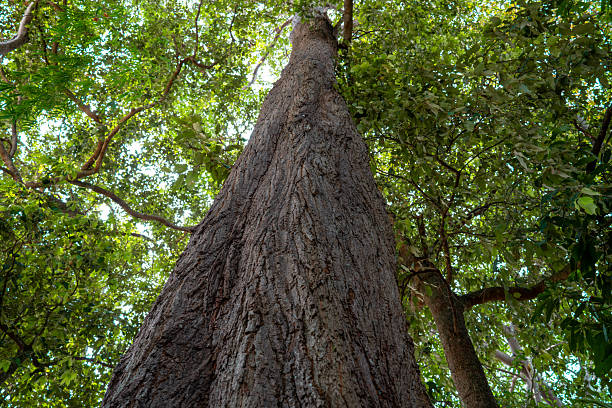
Property development decisions can affect established trees long before construction begins. Building position, access routes, excavation, services and temporary work areas can all compete with the space a tree needs. Considering trees at the early design stage gives a project team more options than trying to solve conflicts after plans are already fixed.
Trees influence usable site space
A mature tree occupies more than the area covered by its trunk and visible canopy. Roots extend through the surrounding soil, while construction activity can alter drainage, soil levels and the amount of open ground available. These factors can influence where a building, driveway or service trench is best placed.
Early input from a Consulting Arborist in Sydney can identify tree-related constraints before architects and other consultants commit to a detailed layout. The aim is not automatically to prevent development. It is to understand which trees may be suitable for retention, where potential conflicts exist and what information the design team should consider while options are still flexible.
Early information supports better design choices
Late tree advice often forces a project into difficult trade-offs. A proposed wall may sit too close to an important tree, an access route may require heavy activity near roots, or a service line may cross an area that would be better left undisturbed. Changing these elements after drawings have progressed can mean additional redesign work.
An early assessment allows the team to ask practical questions sooner. Could the building footprint shift? Can access approach from another direction? Is there enough room for construction activity without placing unnecessary pressure on retained trees? Not every conflict has a simple answer, but identifying them early usually gives the project more room to respond.
Tree condition changes the conversation
Not every established tree has the same value or future prospects. Species, structure, health, age, previous damage and surrounding conditions can all affect how a tree should be considered. Visual size alone does not show whether a tree is a strong long-term candidate for retention.
Evidence from a Consulting Arborist in Sydney may help the wider team distinguish between trees with different management needs. The findings can then be considered alongside planning, engineering, architectural and landscape objectives.
Construction planning matters too
Protecting a tree on paper is not enough if the construction process ignores the space around it. Deliveries, storage, temporary fencing, machinery and changes to ground levels can all affect the site. A project that intends to retain trees needs practical arrangements that site teams can understand and follow.
Early arboricultural input can therefore support more realistic sequencing. Tree protection measures, access limitations or areas requiring particular care can be considered alongside other temporary works. The exact approach will depend on the site and relevant project requirements, so generic assumptions should not replace project-specific advice.
If a layout depends on retaining a particular tree or keeping an area relatively undisturbed, that expectation should be clear to people developing the next project stage.
Better coordination reduces avoidable conflict
Trees can become a source of delay when they are treated as a late-stage obstacle. They are easier to manage when they are included with the other site constraints from the beginning. That means sharing information between designers, planners, engineers and those responsible for tree assessment rather than working in isolation.
Within that coordination, a Consulting Arborist in Sydney can explain how proposed works may interact with established trees and provide recommendations suited to the site. Decisions still belong within wider development process, but good information makes those decisions more informed.
Early tree consideration does not mean every design must revolve around vegetation. It means the project knows what it is dealing with before expensive choices become difficult to change. For developments on sites with established trees, that can lead to clearer layouts, more workable construction plans and a better balance between new building needs and the existing landscape.