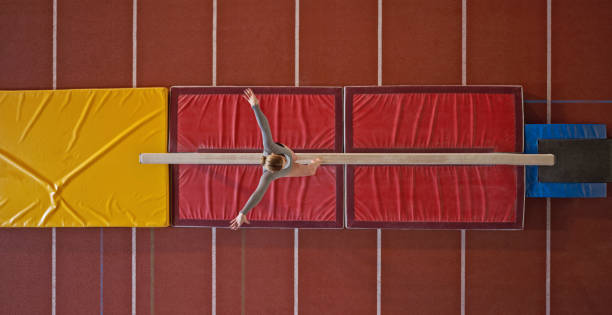
The dream of opening a gymnastics club often starts with a passion for the sport a vision of young athletes flying through the air, learning discipline, and achieving their potential. But turning that dream into a world-class training facility is a complex and expensive undertaking. It requires more than just a large, empty warehouse; it demands meticulous planning, a deep understanding of athlete development, and a significant investment in high-quality, professional-grade gymnastics equipment. From the floor up, every single element must be chosen with safety, performance, and longevity in mind.
The foundation of any great facility is, quite literally, the floor. A fully sprung floor is the non-negotiable centrepiece of the gym. Comprised of layered foam blocks and specialised floor panels, it provides the rebound and shock absorption necessary for tumbling, dance, and floor exercises. Surrounding this central area are the apparatus zones, and beneath many of them, you will find the single most important safety feature for high-level training: the pit. Modern facilities use both loose foam pits for dismounts from apparatus like the high bar, and modular, covered pit systems that offer a more stable but forgiving landing surface. These pits are essential for allowing gymnasts to practice complex aerial skills and dismounts repeatedly without the repetitive stress of landing on a hard surface.
Once the foundational elements are in place, the focus shifts to the core apparatus. For any facility aspiring to host competitions or train athletes to a high level, selecting FIG-certified gymnastics equipment is the gold standard. The Fédération Internationale de Gymnastique (FIG) sets the precise dimensions, materials, and performance characteristics for all apparatus used in official competitions. Choosing FIG-certified gear from the asymmetric bars and balance beam to the parallel bars, rings, pommel horse, and vaulting table ensures that your athletes are training on the exact same specifications they will encounter in a competitive environment. This eliminates any surprises and guarantees the highest standards of safety and construction.
However, a world-class facility is defined by more than just its competition-spec apparatus. The unsung heroes of athlete development are the vast array of supplementary training aids. A well-equipped gym will have an extensive collection of spotting blocks, trapezoid vaults, octagonal tumblers, and tumbling trampolines (or “tumble tracks”). This supplementary gymnastics equipment is what allows coaches to break down complex skills into smaller, safer, and more manageable steps. A gymnast will perform hundreds of drills on these aids before ever attempting a new skill on the main apparatus. This methodical progression is the cornerstone of safe and effective coaching.
Of course, safety is paramount, and this extends to a comprehensive matting system. Every single piece of apparatus must be surrounded by a system of mats designed for its specific use. This includes thick, soft landing mats (crash mats) for dismount areas, skill cushions for practicing new elements, and base mats that provide a continuous level of protection throughout the entire gym. The investment in matting should be just as significant as the investment in the apparatus itself.
The financial reality is that outfitting a facility from scratch is immensely expensive. Many new clubs adopt a phased approach, starting with the essential foundational gymnastics equipment for beginner and intermediate levels, then expanding their inventory as the club grows and membership fees provide more capital. Leasing equipment can also be a viable option to manage the initial outlay.
Building a world-class training facility is a long-term commitment. It reflects an ambition not just to run a business, but to create a centre of excellence. The quality of the gymnastics equipment is a direct statement about the club’s dedication to athlete safety, its commitment to proper development, and its goal of helping every gymnast reach their full potential.